
The Truth About Woodworm Infestations
Woodworms are a common problem in both old and modern buildings, causing damage to wooden furniture, floorboards, roof timbers, and structural beams. Although the name suggests they are worms, woodworms are actually the larvae of several species of wood-boring beetles. These tiny insects spend most of their lives hidden inside timber, feeding on the wood as they grow. Because they remain out of sight for years, an infestation can become well established before homeowners realise there is a problem. Understanding how woodworms develop www.shashel.eu and knowing how to prevent them can help protect valuable wooden structures from costly damage.
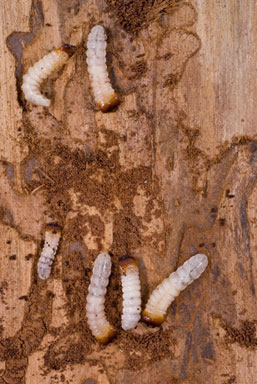
The life cycle of a woodworm begins when an adult beetle lays eggs in cracks, joints, or rough surfaces of exposed timber. After a short period, the eggs hatch into larvae that immediately burrow beneath the surface of the wood. The larvae feed on the natural fibres within the timber, creating a network of small tunnels as they grow. This feeding stage can last from two to five years, depending on the beetle species, the type of timber, and the surrounding environmental conditions. Once fully developed, the larvae transform into adult beetles and emerge through tiny round exit holes, leaving behind the visible signs of an infestation.
One of the reasons woodworms are difficult to detect is that most of the damage happens inside the timber. The surface of the wood may appear healthy while the interior has been weakened by years of feeding activity. As the infestation progresses, small circular exit holes become visible, often measuring only a few millimetres in diameter. Fine wood dust, commonly known as frass, may also appear beneath affected furniture or timber as the larvae continue to bore through the wood. In more advanced cases, wooden structures may feel soft, become brittle, or show signs of cracking when pressure is applied.
Woodworms are especially attracted to damp timber because moisture creates ideal conditions for the larvae to survive and feed. Homes with leaking roofs, faulty plumbing, poor ventilation, or persistent condensation are at greater risk of infestation. Older buildings often experience more woodworm problems because they contain untreated timber that has absorbed moisture over many years. However, newer properties are not immune, particularly if maintenance issues allow damp conditions to develop. Keeping timber dry is one of the most effective ways to reduce the likelihood of woodworm activity.
Preventing a woodworm infestation requires regular maintenance and careful attention to the condition of wooden structures. Good ventilation helps reduce humidity levels and keeps timber dry throughout the year. Repairing roof leaks, damaged gutters, and plumbing problems as soon as they are discovered prevents excess moisture from soaking into the wood. Applying a suitable wood preservative provides additional protection by making the timber less attractive to wood-boring beetles. Regular inspections of loft spaces, wooden furniture, floorboards, and exposed beams also allow homeowners to identify early warning signs before significant damage occurs.
When woodworms are discovered, prompt treatment is essential to stop the infestation from spreading. Small infestations can often be treated using specialist woodworm treatment products that penetrate the timber and destroy developing larvae. More extensive infestations may require professional inspection to determine the severity of the damage and recommend the most appropriate treatment. If structural timber has been seriously weakened, replacement or reinforcement may be necessary to restore the safety and strength of the building. Acting quickly not only limits the extent of the damage but also reduces future repair costs.
Although woodworms are tiny insects, their long-term impact can be considerable if they are ignored. By understanding their life cycle, recognising the early signs of infestation, and maintaining dry, well-protected timber, homeowners can greatly reduce the risk of serious damage. Routine inspections, preventative care, and timely treatment ensure that wooden furniture, flooring, and structural timbers remain strong, durable, and attractive. Taking these simple steps helps preserve the value of a property while protecting its wooden features for many years to come.